
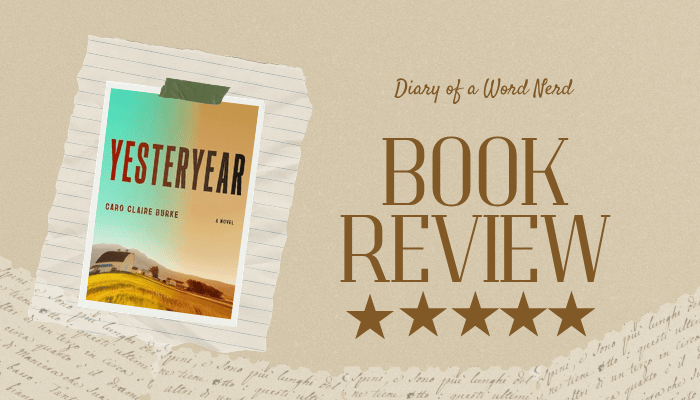
Betsy, a friend at church who is a retired high school English teacher, told me Yesteryear was a book I should read. Not that she loved it, but that it was important. Now that I’ve finished, I agree. What I’d really like to do is sit down with Betsy and a bunch of other women and discuss it!
Premise
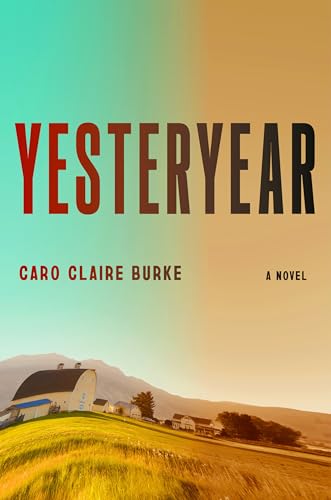
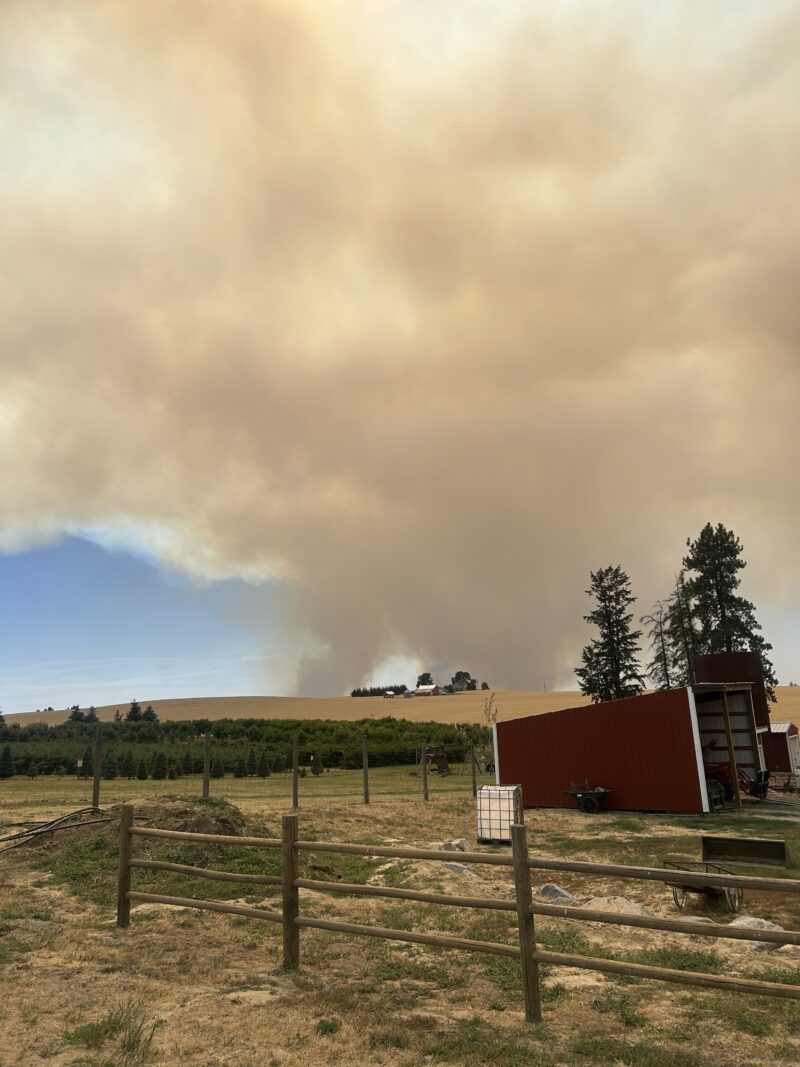
Yesteryear by Caro Claire Burke tells the wild story of Natalie, a trad wife social media influencer. She lives on a farm in the middle of Idaho and posts pictures and videos of her homesteading life based on traditional values: milking cows, baking bread, collecting fresh eggs. Online Natalie joyfully cares for her house, her children, and her husband. She has thousands of followers, some who love her and some who hate her, but unsurprisingly, the idyllic life she portrays doesn’t match reality. When Natalie wakes up one morning and finds herself living in the past as an actual homesteader, without all the 21st century help, she desperately seeks a way out.
What I like
Burke uses her prickly yet fascinating character Natalie to raise interesting questions. Among other things, Yesteryear examines the role of women in our society, how despite all of the “progress” we’ve made toward treating women more equally, women still are often limited by the expectations society places upon us and, more importantly, the expectations we place on ourselves. Here are some more specific reasons why I enjoyed it.
First – I couldn’t put this book down. The prose is smart, yet readable. Burke makes great use of irony and sarcasm and expects the reader to keep up without explaining every nuance. That kept the pace moving.
Natalie, the main character, has so many qualities that make her unlikable – she is critical, determined, cruel, and self-absorbed. Yet, I could relate to a lot of her observations and frustrations. Our society idealizes motherhood, but so often, it’s hard. There’s pressure to appear like you have everything together, when in reality, you screamed at your children at the breakfast table or slammed the minivan to a hard stop on the way to school. Quite frankly, I can relate to Natalie’s frustration.
Yesteryear dives into the idea of performance. When Natalie feels overwhelmed by household chores, her mother advises her to “pretend someone is watching.” Natalie takes that advice to heart, growing an online following and putting pressure on herself to constantly perform and pretend. Readers see a big gap between Online Natalie and “Offline Natalie.” (Natalie refers to the offline version of herself as “Ugly and sharp and awkward and old. Like some fairy tale witch. Who let this woman online?”) That gap exhausts and eventually breaks her. When Natalie can no longer contain her rage, her true nature bursts through for everyone to see. Her private self doesn’t line up with her public persona, and her brain begins to “whine and smoke from the pressure, until finally it snapped in half like a twig.”
Religion is another huge theme of the book. Natalie experiences visions of God, and yet, she doesn’t practice any “acts of piety” to grow her faith. No church, little scripture, and her prayers usually involve asking God to forgive her profanity. Her main faith is in her own power. And ultimately, she loses that power, so what does that say?
I’ve seen reviews critiquing the ending as too abrupt and lacking a resolution. I don’t think Burke failed at her ending; I believe she’s calling us to action. Readers don’t get a neat payoff because the issues presented in Yesteryear remain. Burke dares us to find a better way to exist as women so we won’t find ourselves trapped like Natalie.
Recommendation
I highly recommend Yesteryear, less for entertainment and more for generating thought and discussion around what it means to be a woman in modern society. It offers many themes and questions to explore with discussion. Read it and discuss it with others!
For another thought-provoking novel about women and society, read Margaret Atwood’s classic The Handmaid’s Tale.
What thought provoking book have you read lately?
Thanks for getting nerdy with me!